










The Hidden Impact of Cortisol on Belly Fat and Slee
December 2, 2025
What to Expect from a Nutrition Counseling Session
December 14, 2025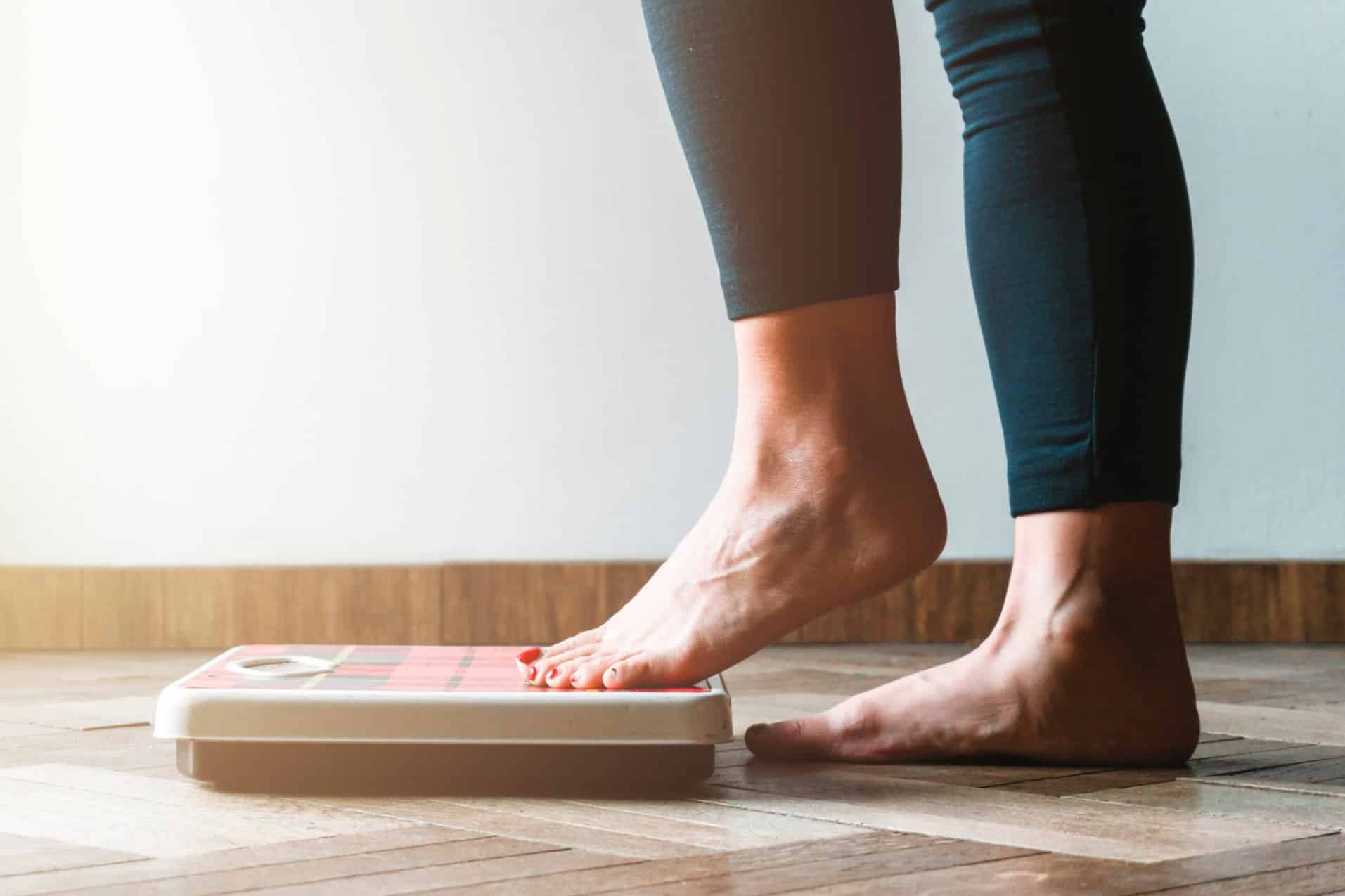


For most people, weight loss means one goal — watching the number on the scale drop.
But what if that number doesn’t tell the whole story?
Healthy weight loss isn’t just about losing fat — it’s about keeping muscle.
Muscle is metabolically active; it burns calories even at rest, supports posture, and shapes your body.
When weight loss is too fast, unbalanced, or based on extreme dieting, the body breaks down muscle tissue for energy — slowing metabolism and making fat regain almost inevitable.
In this article, we’ll explore the science behind losing fat without losing muscle — and how nutrition, training, and recovery work together for sustainable, healthy results.
Muscle plays a key role in long-term weight management.
Each pound of lean muscle burns up to 6–10 calories per day, even when you’re not exercising.
More muscle = higher resting metabolism.
When people go on restrictive diets, they often lose water and muscle first, not fat.
That’s why many notice a “plateau” after initial rapid weight loss — metabolism slows, and the body becomes more efficient at storing fat again.
Keeping muscle during fat loss ensures:
Cutting too many calories is one of the fastest ways to lose muscle.
When the body senses starvation, it protects fat stores and breaks down muscle for energy.
Even if you exercise, a very low-calorie diet (<1200 cal/day) will eventually slow thyroid function and reduce lean mass.
The key is creating a moderate calorie deficit (about 15–20% below maintenance) so your body burns fat, not muscle.
Protein is the single most important nutrient for muscle preservation.
Adequate protein intake:
Aim for 1.2–1.6 g of protein per kilogram of body weight daily.
For example, a 70 kg woman needs roughly 85–110 g per day — spread evenly across meals.
Top sources:
🔹 4. Smart Training: Build While You Burn
To lose fat without losing muscle, combine resistance training with moderate cardio.
Even beginners can benefit from simple compound movements: squats, lunges, rows, and planks.
Your muscles don’t grow while you work out — they grow while you rest.
Sleep and recovery are critical for muscle repair and hormone regulation.
Lack of sleep raises cortisol (the stress hormone), which can slow fat burning and increase muscle loss.
Aim for 7–9 hours of sleep per night and at least one full rest day per week.
Losing fat without losing muscle isn’t about shortcuts — it’s about strategy.
Feed your body enough to perform, lift to preserve lean tissue, sleep to recover, and manage stress to keep hormones balanced.
With the right combination of balanced nutrition, progressive resistance training, and rest, you’ll not only lose inches from your waistline — you’ll reshape your metabolism for lasting results.