











Veggie Egg Muffins
February 2, 2026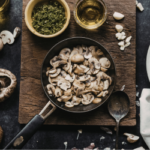
Light & Fresh Mushroom Sauté
February 5, 2026A Smart, Nutrient-Dense Snack for Balanced Weight Management
If you’re looking for a light yet satisfying snack that supports metabolic balance, this Butternut Squash & Feta Spread is a perfect choice. It combines slow-digesting carbohydrates, healthy fats, and protein to keep you energized without blood sugar spikes.
Winter squash varieties like butternut squash are naturally rich in vitamin A, a powerful antioxidant that supports immune health, skin vitality, and overall wellness. Paired with feta cheese and whole-grain rye crackers, this spread is creamy, savory, and deeply nourishing.
Ingredients
- ½ cup (100 g) cubed butternut squash
- 2 tsp (10 mL) coconut oil
- ¼ cup (40 g) crumbled feta cheese
- Salt and black pepper, to taste
- Pinch of fresh thyme leaves (optional)
- 2 rye crackers (such as Wasa or Ryvita)
Instructions
- Preheat the oven to 450°F (230°C).
- In a small baking dish, toss the cubed butternut squash with coconut oil.
- Roast for 30 minutes, or until the squash is soft and lightly caramelized.
- Transfer the roasted squash to a bowl and mash with a fork.
- Stir in the feta cheese and season with salt and black pepper.
- Sprinkle with fresh thyme if desired.
- Spread evenly over rye crackers and serve immediately.
Tip
Cutting raw squash can be difficult. A helpful trick is to bake a whole squash at 350°F (175°C) for about 2 hours until tender. Once cooled, it becomes much easier to cut. You can then measure 1 cup (200 g) for this recipe and store the rest for soups or other meals
Nutrition Highlights
- Rich in vitamin A and antioxidants
- Supports satiety and metabolic balance
- Provides healthy fats for sustained energy
- Balanced combination of carbs, protein, and fat.
About the Ingredient: Coconut Oil
Within metabolic-focused nutrition plans, coconut oil is often preferred because it is low in linoleic acid, which has been linked to inflammation when consumed in excess. Coconut oil provides stable fats that are suitable for cooking and support energy metabolism when used in moderation.
Source:
Adapted and nutritionally aligned with principles from
The Metabolic Balance® Kitchen by Jane Durst-Pulkys, PhD